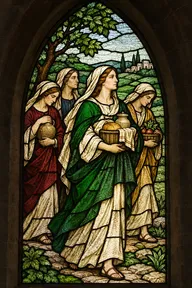












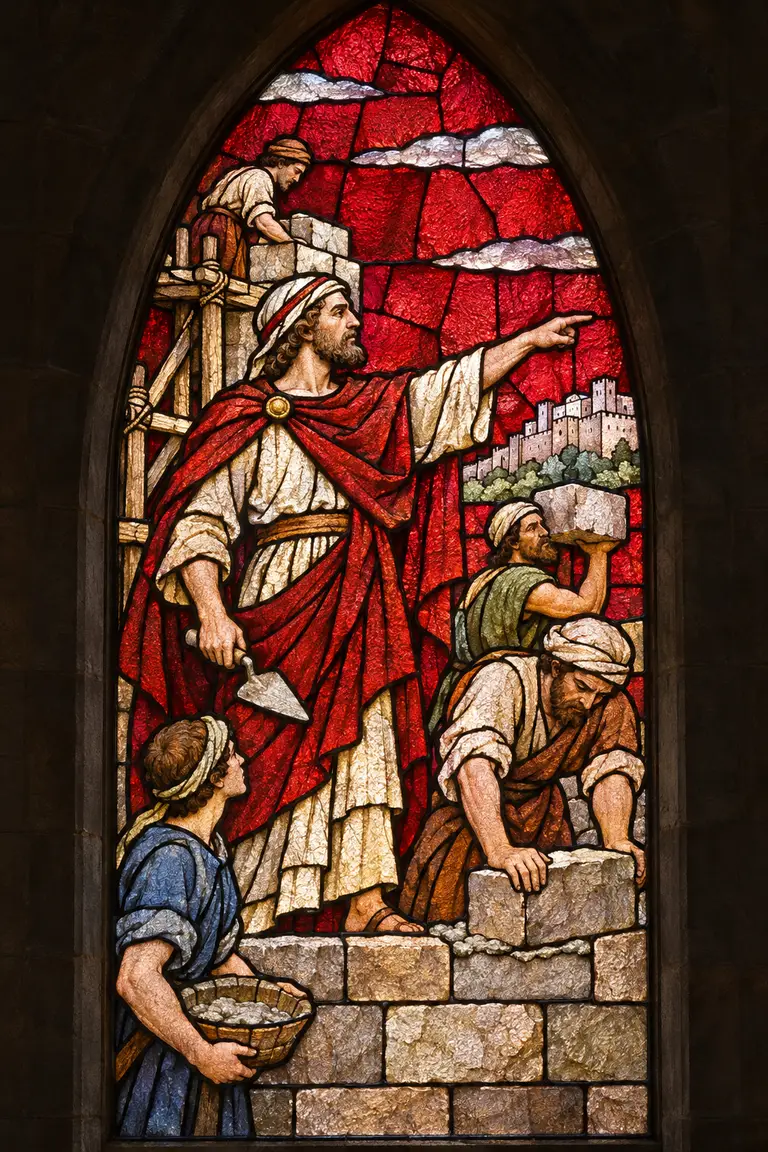
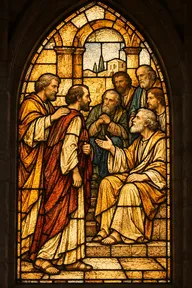
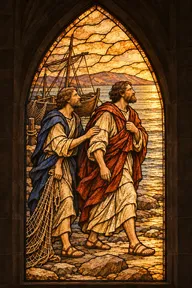
Nehemiah in stained glass

Nehemiah The Builder

Turns a messy job into a clear plan and works alongside everyone to finish it.

Nehemiah 4:6 · Nehemiah 4:13-14 · Nehemiah 4:21-23

Serving like Nehemiah today

When a big job sits half finished, members who serve like Nehemiah sketch out how to get it done. If the fellowship hall needs fresh paint, they list the supplies, divide up the rooms and line up a Saturday crew. Vacation Bible school stays on schedule because of their checklists, and when a church project stalls, people ask whether they would take it over.

They carry out Paul’s command to lead with diligence (Romans 12:8) with paint on their sleeves. They divide tasks fairly, keep workers fed and thanked, and see the cleanup through to the end. Any member can lead practical work like this. Spiritual oversight of the congregation belongs to qualified elders, a separate office with its own qualifications.

What others notice

  • They organize church work days, fellowship events and practical projects.
  • They break a large task into smaller jobs with a clear name and deadline on each one.
  • People ask them to step in when a church project loses momentum.
  • They work side by side with the people they recruit.
  • They keep track of the supply list, the schedule and the final cleanup.

The duty every Christian shares

Paul tells every Christian to put his whole heart into whatever work sits in front of him, doing it for the Lord.

23Whatever you do, work at it with your whole being, as for the Lord and not for men,
Colossians 3:23(BSB)

The temptation to watch for

Jesus reminded His disciples that pagan rulers "lord it over them," then added, "It shall not be this way among you." When you care about getting a project done right, it is easy to treat tired helpers like spare parts. Lead as a servant, and remember that church projects exist to bless people.

25But Jesus called them aside and said, “You know that the rulers of the Gentiles lord it over them, and their superiors exercise authority over them.26It shall not be this way among you. Instead, whoever wants to become great among you must be your servant,
Matthew 20:25-26(BSB)

Who Nehemiah needs: Barnabas

Working alongside an encourager like Barnabas keeps a busy schedule from grinding down the people on it. Someone who spots the weary helper and thanks him by name reminds you to care for the workers as much as the finished job.

Barnabas needs Nehemiah in turn.

Places to serve

  • Coordinating church work days and building upkeep
  • Organizing vacation Bible school
  • Managing room setup and teardown for church meals and events
  • Running the meal train or the nursery rotation
  • Helping the deacons map out practical maintenance projects

A four-week trial

Pick one stalled practical job at church for the next four weeks, such as clearing out the supply closet, straightening out the nursery rotation or organizing fellowship meal setup. Ask the deacon over that area what a finished job looks like, build a plain schedule with names and dates, and walk him through the result at the end of the month.

Nehemiah hears news from Judah

Nehemiah lived in exile in Persia and served as "the cupbearer to the king," Artaxerxes (Nehemiah 1:11). When visitors from Judah brought word that Jerusalem’s wall lay broken and its gates had been burned, Nehemiah wrote, "I sat down and wept. I mourned for days, fasting and praying before the God of heaven."

The news came in the month of Chislev, and Nehemiah did not bring it before the king until Nisan, about four months later (Nehemiah 1:1; 2:1). His prayer in chapter 1 ends by asking God for success before the king. After the king gave him leave and timber, he arrived in Jerusalem and rode out at night to inspect the broken wall himself before he told anyone his plan (Nehemiah 2:12-15). Only then did he say to the leaders, "Come, let us rebuild the wall of Jerusalem," and they answered, "Let us start rebuilding."

Building the wall in fifty-two days

Nehemiah 3 records the builders section by section, noting that several men repaired the stretch of wall in front of their own houses (Nehemiah 3:23, 28). When neighboring enemies mocked them and threatened an attack in chapter 4, worn-out workers began saying there was too much rubble to clear. Nehemiah reorganized on the spot: "I stationed them by families with their swords, spears, and bows." Half his men stood guard while the other half worked, and those who carried materials worked with one hand and held a weapon in the other.

He steadied the people by pointing them to God: "Do not be afraid of them. Remember the Lord, who is great and awesome." He shared the watch with them, writing that "neither I nor my brothers nor my servants nor the guards with me changed out of our clothes." Working side by side, they finished the wall in fifty-two days (Nehemiah 6:15).

Twelve years as a governor who refused perks

Nehemiah served as governor of Judah for twelve years. Earlier governors had laid heavy burdens on the people to feed their own tables, and Nehemiah refused the governor’s food allowance "because of my fear of God." He kept working on the wall and bought no land while others were going broke.

Nehemiah held civil office in Old Testament Judah, and the New Testament church takes its offices from the elders and deacons described in 1 Timothy 3. What Nehemiah shows any Christian is practical, unselfish leading: pray first, look closely at the real work, assign clear jobs, work beside your neighbors and refuse to use leadership for your own comfort.

Diligent leading in a local congregation

Paul puts practical leading inside Romans 12: "if it is leading, let him lead with diligence" (Romans 12:8). In a local church that looks like the member who runs the spring work day, keeps vacation Bible school on time or fixes a broken nursery schedule, working cheerfully under the elders and beside the deacons.

Begin with prayer the way Nehemiah did, write the plan clearly enough that everyone knows their part, and pick up a broom alongside the crew you organized. Thank helpers by name, and when someone slows the timetable, remember Matthew 20:25-26 so the people you work beside always come ahead of the schedule.

The other eight servants

Every quiz